Nova Scotia · New Brunswick · PEI · Newfoundland and Labrador
Oil tank replacement and removal across Atlantic Canada
Insurance renewal asking about your tank? Tag about to expire? Switched to a heat pump? Get quotes from licensed installers who work in your area.

How it works
One request, quotes from local installers
Tell us about the tank
Where it is, roughly how old, and whether you have an insurer or tag deadline. It takes two minutes.
We match you with licensed installers
We send your request to installers who serve your community and do this work, so you are not calling around.
Compare quotes and book
Installers contact you directly with a written quote. You choose who to hire, or nobody.
When to replace
Signs your oil tank is near the end
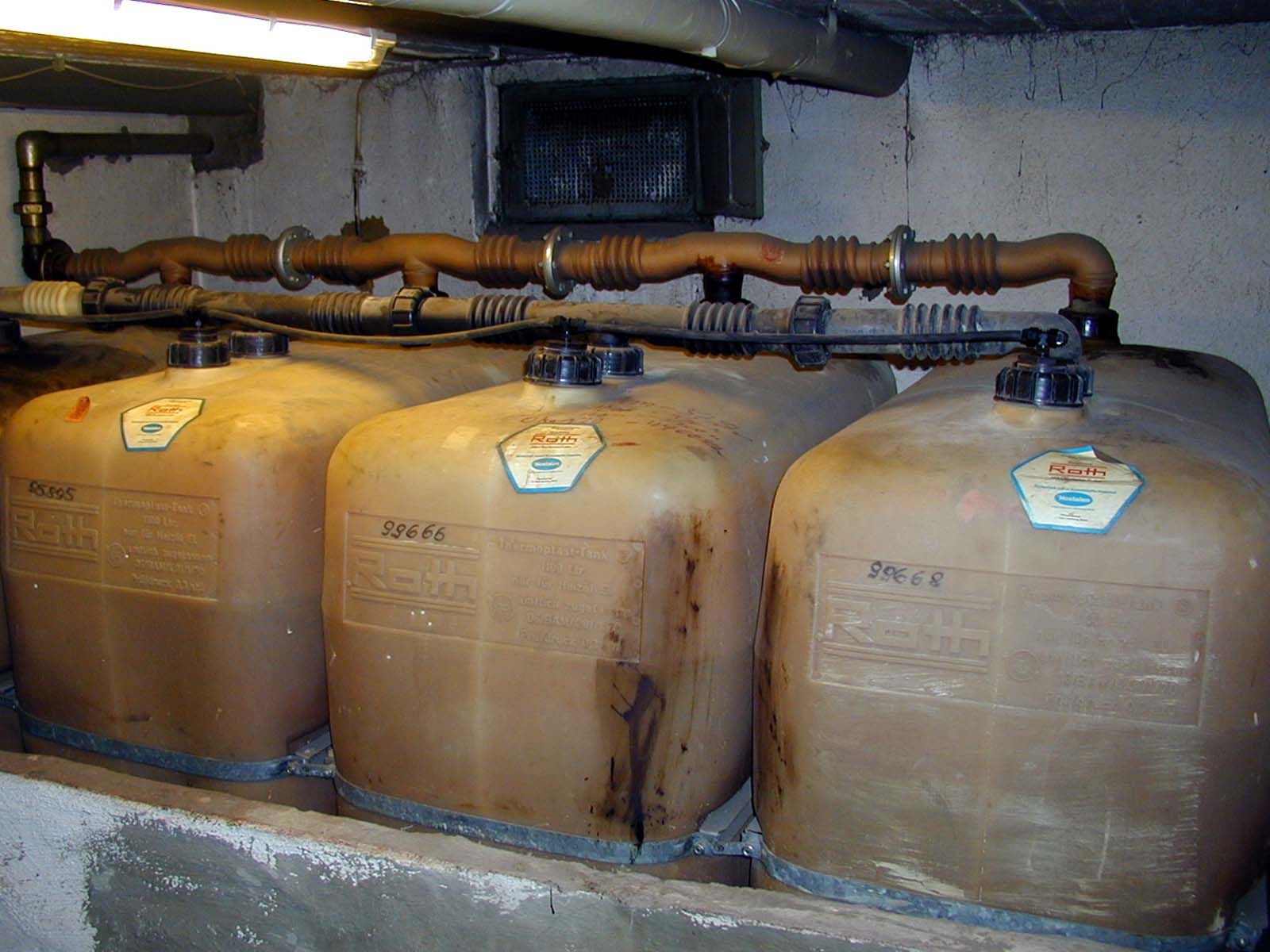
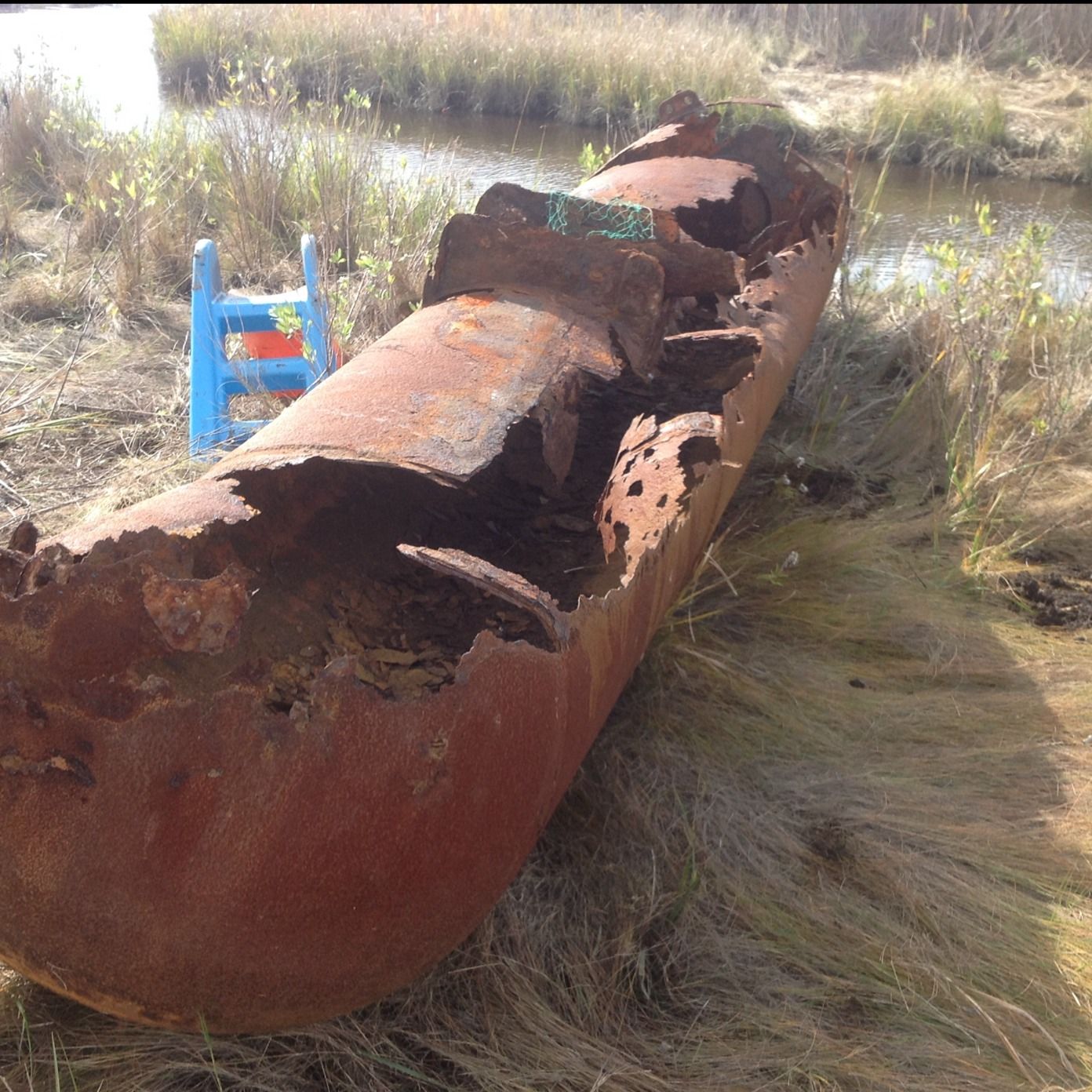
Most tank leaks start slowly, inside, where water and sludge sit on the bottom of a steel tank. By the time you see a stain, the cleanup can cost far more than the tank. These are the signs that it is time to get quotes.
- Rust, flaking or blistering on the shell or legs
- Oil weeping or a damp film at the outlet valve
- A leaning tank or legs sinking into the ground
- Dents, or a cracked or cloudy fill gauge
- An insurer letter asking for the tank's age
- A PEI tag that expires this year
- An unregistered tank in Newfoundland and Labrador
- You switched to a heat pump and the old tank sits unused
Tank age check
How old is your tank, and what does that mean where you live?
Enter the year on the tank's ULC label (or the install year on your paperwork). This gives general guidance only. Your insurer and your province have the final word.
Where we work
Find installers in your province
Each province has its own tank rules. Pick yours to see what applies and which communities installers cover.




Replacement or removal
What the job involves
| Job | What the installer does | Typical time |
|---|---|---|
| Like-for-like replacement | Pumps out the old tank, sets the new tank on a proper base, connects fill, vent and supply lines to CSA B139, refills, and hauls the old tank away. | Usually one day |
| Removal after a heat pump | Pumps the leftover oil and sludge, cleans and removes the tank, and seals or removes the old fill and vent pipes. | Half a day to a day |
| Buried tank | Excavates, removes the tank, and has the soil checked. If oil is found, cleanup becomes a separate environmental job. | Several days or more |
Prices depend on tank size and location, access, and whether the oil is reused. Installers quote after seeing the setup.
FAQ
Common questions
How do I know if my oil tank needs replacing?
Look for rust or flaking on the shell and legs, weeping or a damp film at the outlet valve, dents, a leaning tank, or a cracked gauge. Age matters too: insurers and some provinces set limits by tank type. On PEI, the date on the tank tag is the deadline.
Will my home insurance cover an oil leak?
It depends on your policy and the tank. Many insurers ask for the tank's age and material at renewal and when a home is sold, and some decline or limit coverage on older steel tanks. Call your insurer and ask what they need from you before your renewal date.
What does replacing an oil tank involve?
A licensed technician pumps out the old tank, sets the new one on a proper base, connects the fill, vent and supply lines to code (CSA B139), transfers or refills the oil, and hauls the old tank away for disposal. Most straightforward swaps are done in a day.
I switched to a heat pump. Do I have to remove the old tank?
An unused tank still holds sludge and can still leak, and many insurers and home buyers want it gone. Removal means pumping out the remaining oil and sludge, cleaning, taking the tank away, and sealing or removing the old fill and vent pipes.
Is Atlantic Oil Tank a contractor?
No. We are a referral service. We take your details, match you with licensed tank installers who serve your area, and they contact you with a quote. You deal with the installer directly and you are never obliged to hire anyone.
Does this cost anything?
Asking for quotes through us is free for homeowners. Installers who take part pay us for referrals.
Free quotes
Tell us about your tank
Requests are received instantly and sent straight to licensed installers who serve your area. No phone tag: fill out the form once and the installers come to you.
Installers contact you directly with a quote, usually within one to two business days. There is no cost to you and no obligation to hire anyone.
Atlantic Oil Tank is a referral service. Participating installers pay us for referrals. We share your details only with installers you are matched to.